
24th Jan, 2020: Aakash Das
The book ‘Invisible Cities’ is a story about an emperor Kublai Khan who asks Marco Polo to roam around his kingdom and tell him tales about the different cities.
Every city is very unique and different from each other. The way that each city has been described in this book, gives us a vivid picture of the place and we can very well imagine how it would be.
This lecture was about creating fifteen frames based on five different cities and depicting its theme in such a way that it fits it the best.
The city chosen by me is called Isidora, which comes under ‘City and Desire’. Isidora is said to be a very rich city which a very fascinating visual of spiral staircases and seashells and violins. It also shows how a young man will arrive at this city in his old age. In all, it is described as a city of dreams where desires turn into memories.
The two illustrations made by me for this city are as follows,

The first one depicts imagination which is wrapped around by spiral staircases showing a visual of the city. It is also contained inside the head of person and it shows that it’s all in the mind and imagination.
The next drawing consists of wings, half of which is new and fresh whereas the other half is just a framework of the same wings which is also kind of broken. In the centre, it is divided by a spiral string also depicting the visuals. The wings show the transition from new to old which is mentioned in the story. The wings also depict ‘desire’ as wings are just a part of the imagination and do not really exist but one would desire to have it.
These illustrations helped us a lot in visualizing our ideas in a much better way through unity-variety-harmony. It also helps us in allowing a better precision of thinking. It becomes very important in such a case, to connect abstract to reality to give it a better meaning.
Associative thinking refers to the linking of one thought to another. When different ideas are linked to one another, they create one really good idea all together. It is important to divide the idea and then get it back together.
All these aspects helped us in developing relevant illustrations and connecting them to the story.
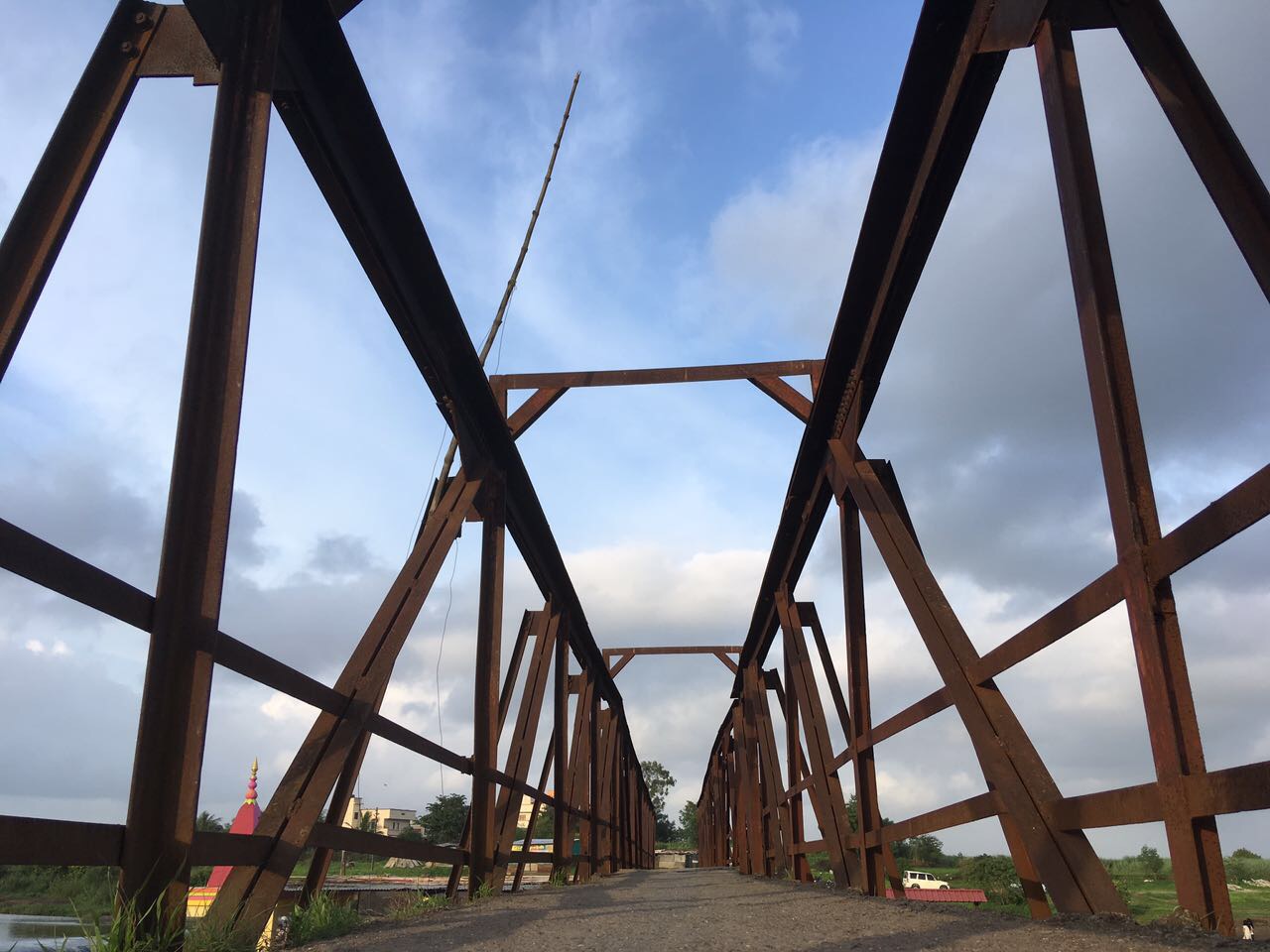
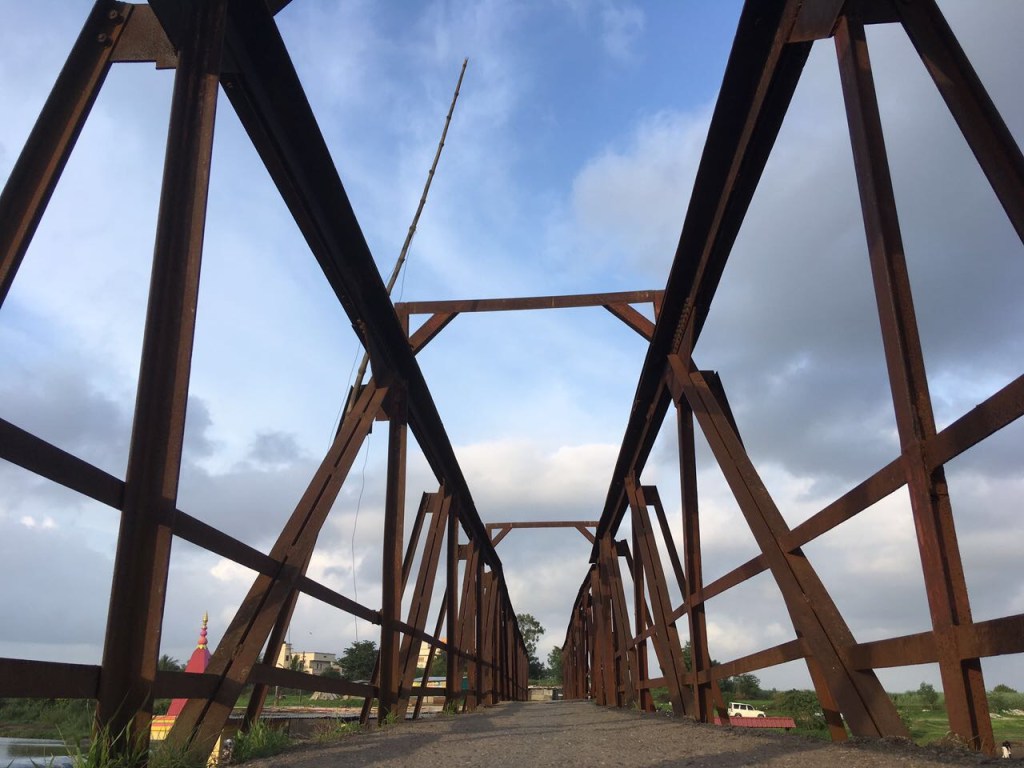
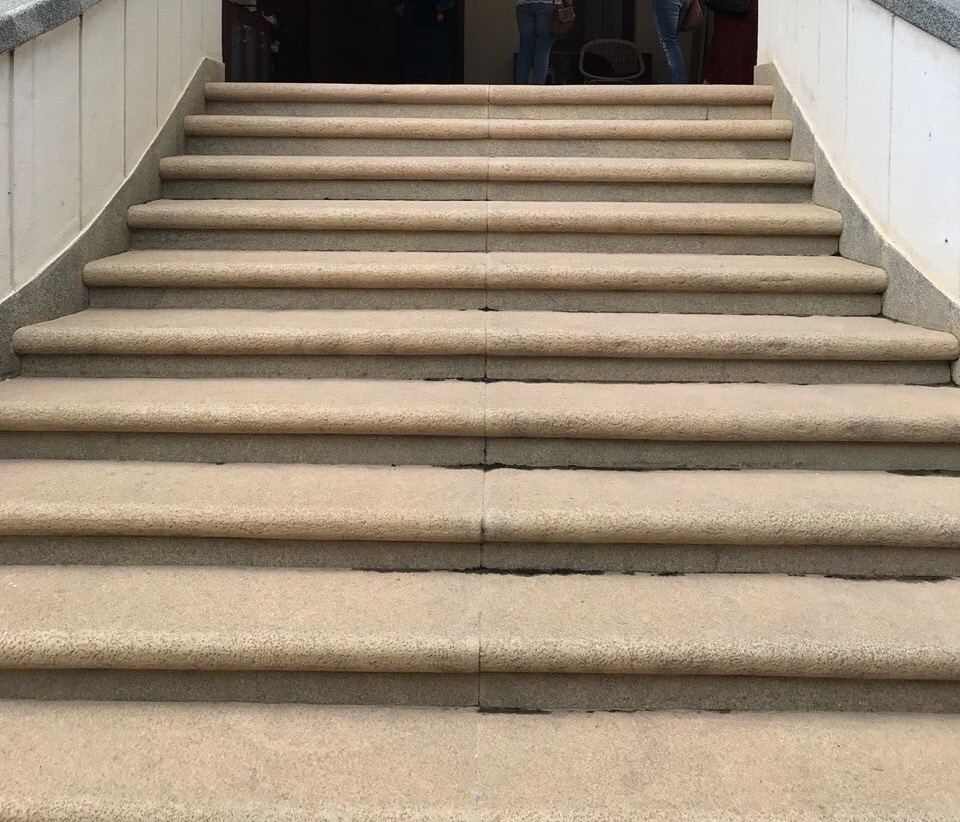
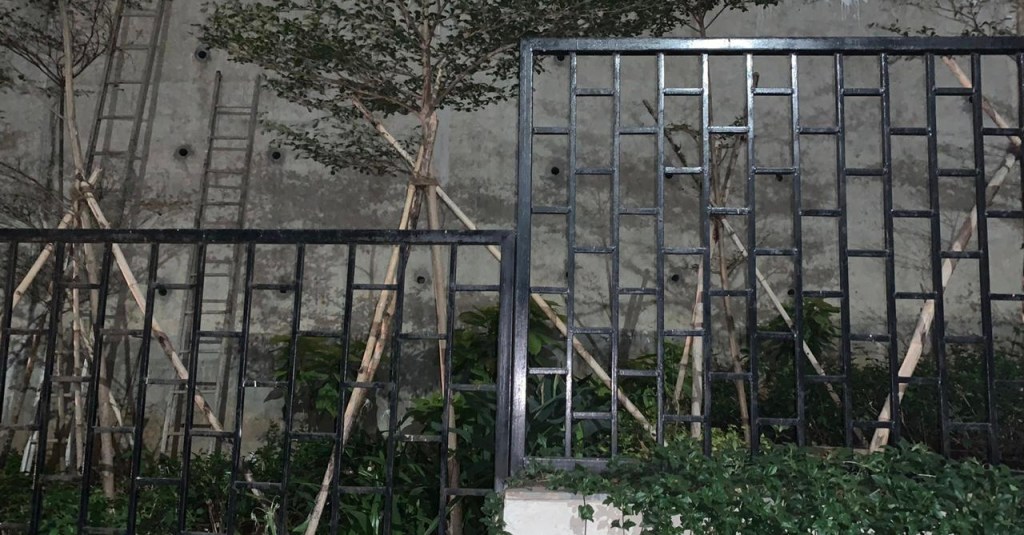
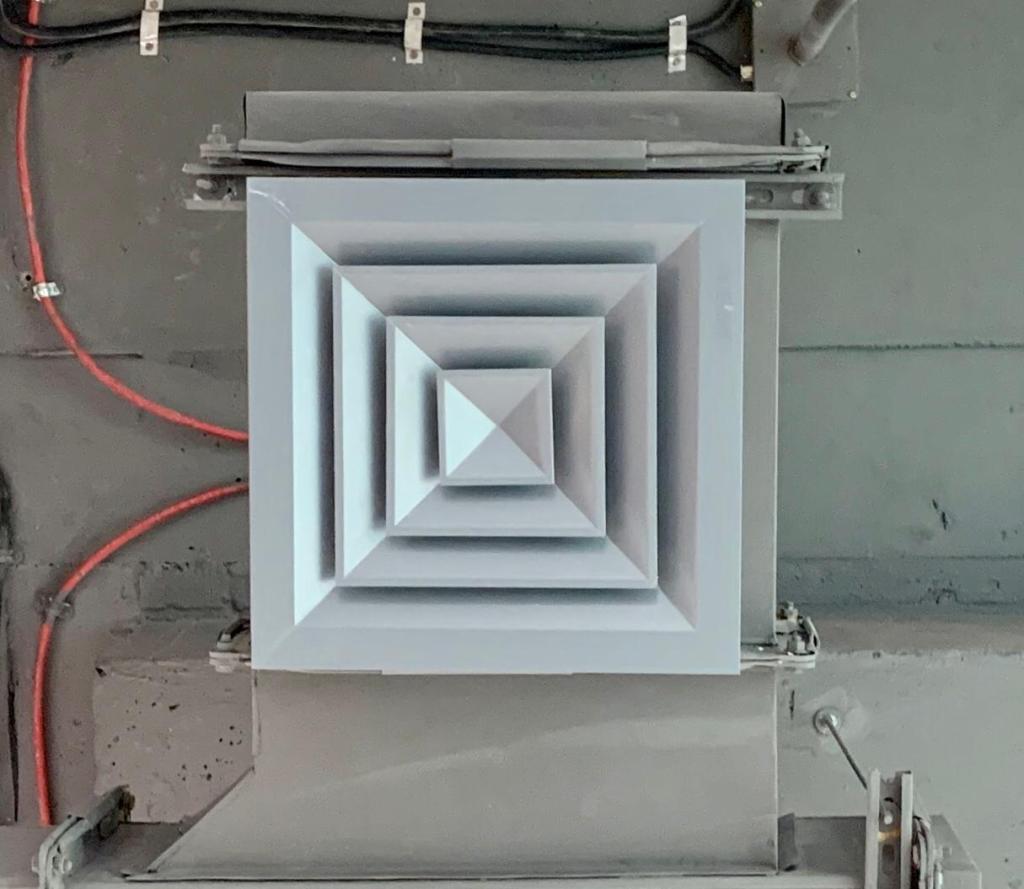
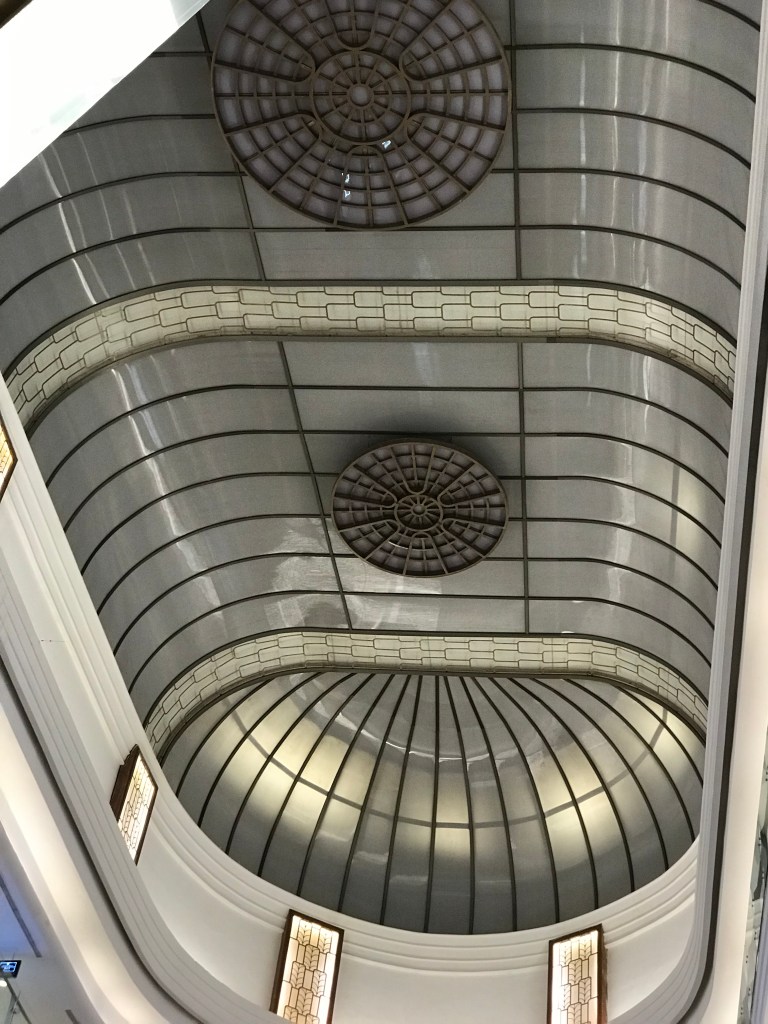
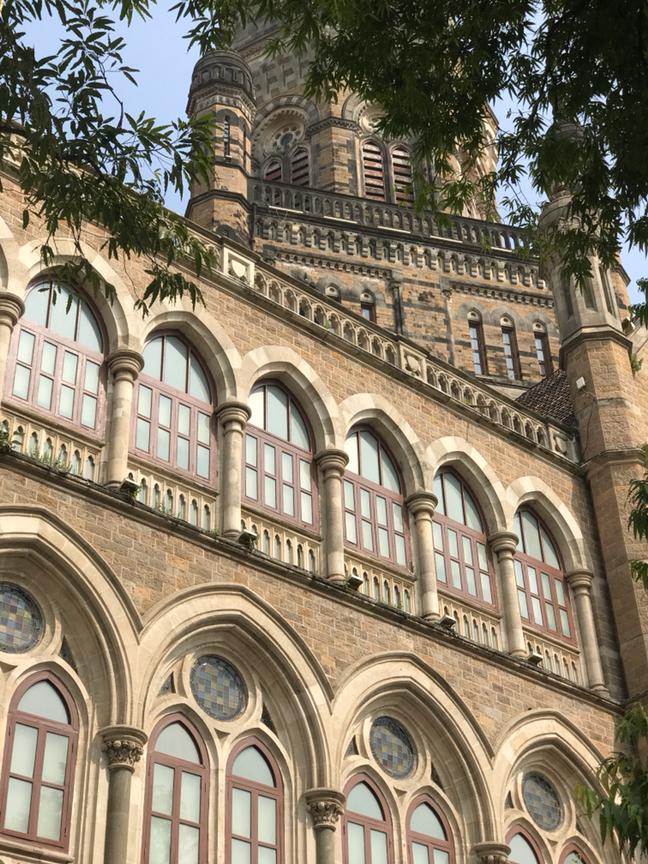
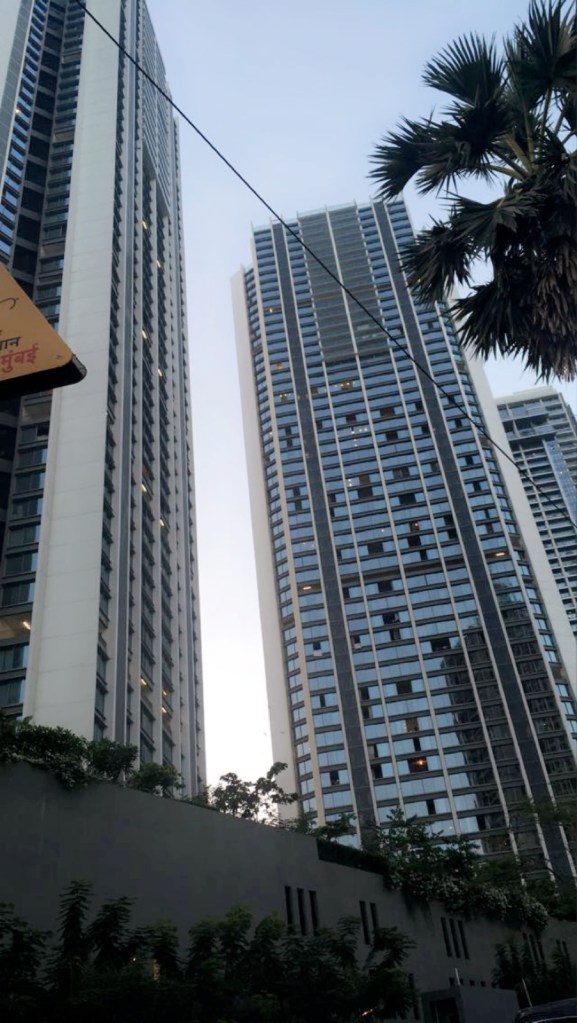
We also came up with pictures which depicted Gestalt Laws. Each picture had to depict at least one of the laws. And in all there were twelve. These are some the pictures clicked by me:






 The Idealist